Take orders direct.
Every order type.
Keep them coming back.
Understand more.
Updates & help.
Direct ordering. Explained.
The restaurant takes the order, keeps the customer’s details and decides what happens next. With Slerp, delivery can still go out with Deliveroo, Uber or Just Eat riders.
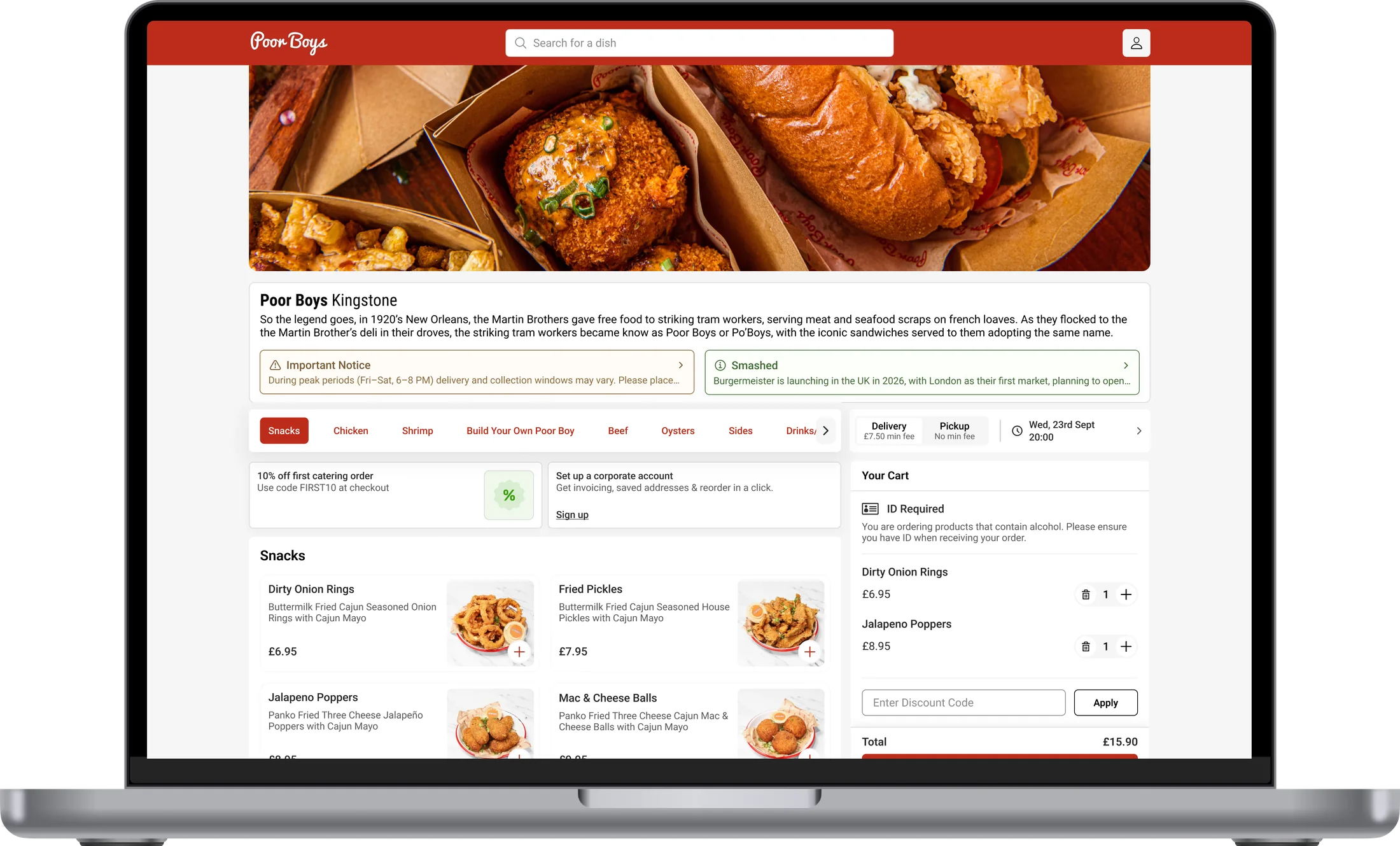
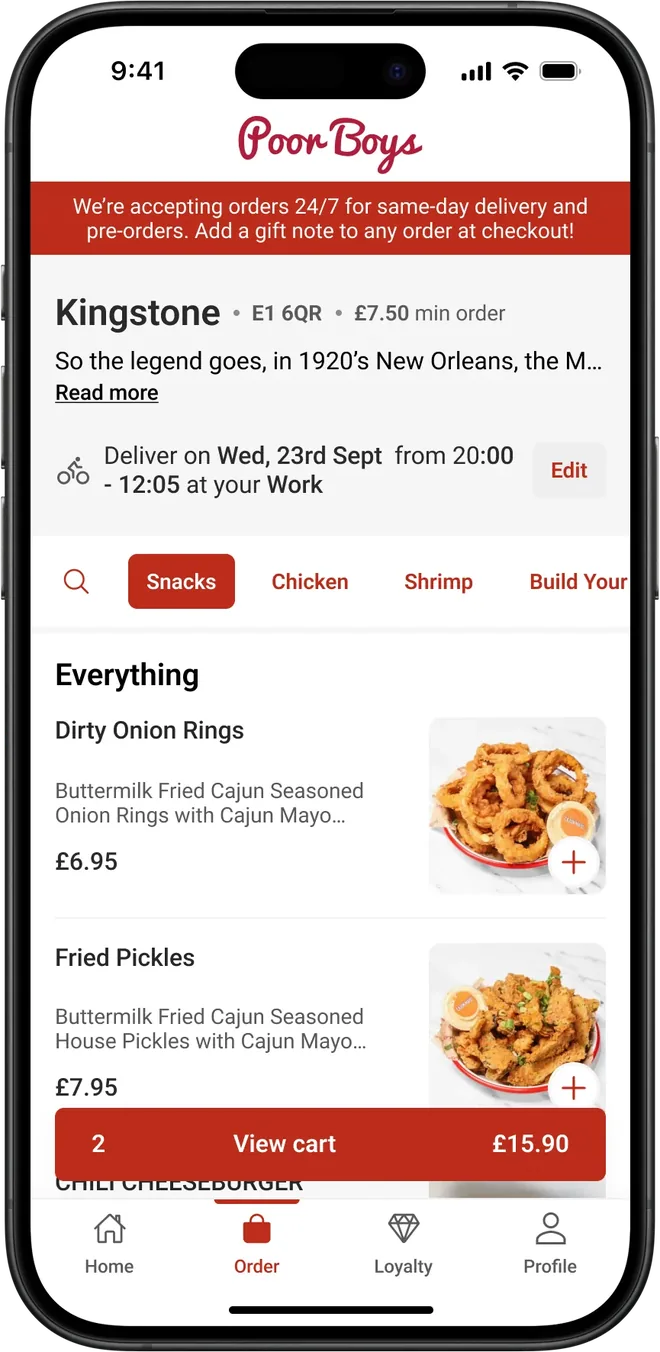
Direct ordering (also called online ordering, first-party ordering or direct-to-consumer ordering) means selling food through channels the business owns and controls. For example, enabling an “Order now” button on its own website with its own checkout journey, enabling ordering via its own branded app, its Google Business Profile and its social links. The order, the payment and the customer record all belong to the restaurant.
Marketplaces like Deliveroo, Uber Eats and Just Eat are a different model, where the platform owns the customer relationship and the associated data. This is often called ‘third-party’ ordering, as the data is owned by the marketplace, not the brand. Most brands run both.
| Marketplace | Direct ordering | |
|---|---|---|
| Who owns the customer data | The marketplace | Your brand |
| How you get repeat orders | Discounts and ad spend to rank | Loyalty, CRM and app push notifications |
| What the customer sees | The marketplace’s app, listed alongside your competitors | Your brand, on your site and your own app |
| Riders | Their fleet | The same fleets, automatically booked via Slerp |
| Order type focus | On-demand delivery | Pickup, on-demand delivery, pre-orders, catering |
It’s not about either or. You should run both. The marketplaces keep you discoverable to new customers, whilst your own first-party channel enables you to keep customers and know who they are.
Imagine if Adidas only had a “Buy now” button on adidas.com and it sent you to Amazon.
But most restaurant websites do exactly that - the “Order” button points to a marketplace and they do not run their own direct ordering channel.
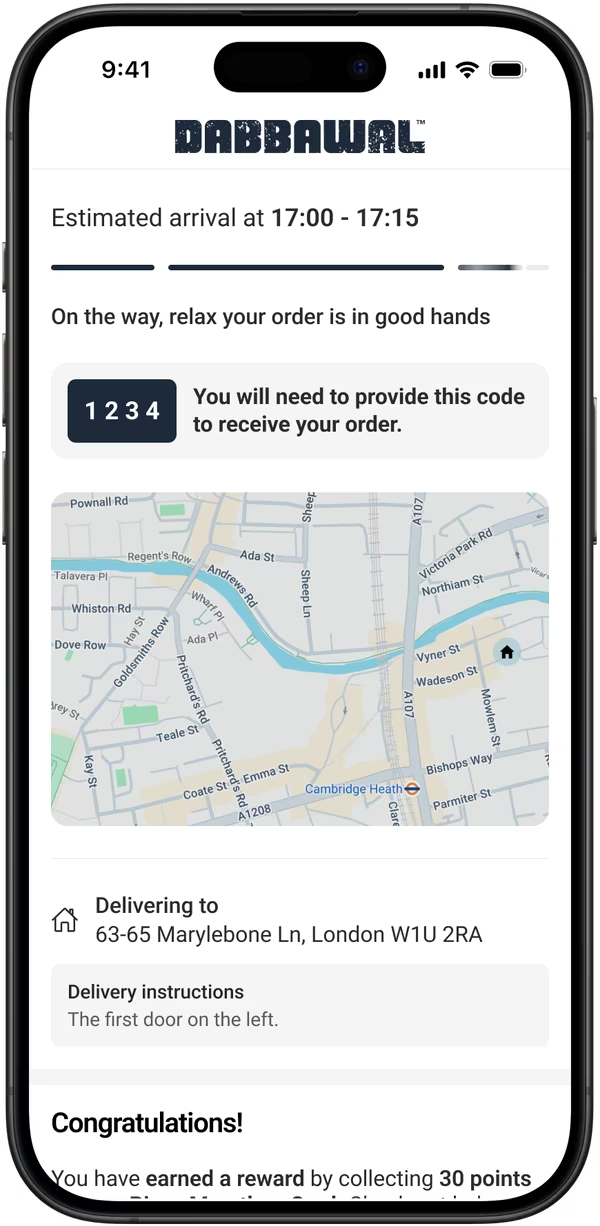
Retail went direct first. Hospitality is catching up. The marketplaces have opened their courier networks to direct ordering platforms, the way Shopify sellers started using Amazon for delivery. A brand’s own channel can now offer the same riders and tracking a marketplace does and Slerp is leading the way.

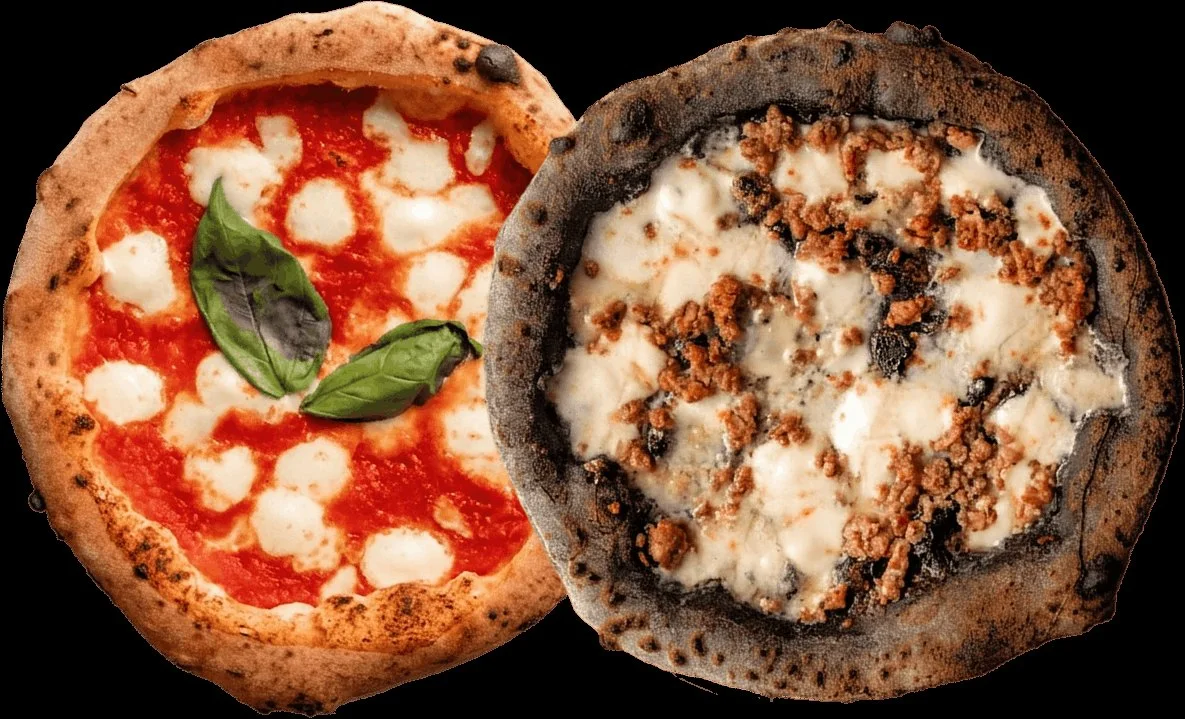
Wood-fired, since 2014.
Does this point to my own channel or a marketplace?
Who owns the customer?
The brand owns every guest.
Direct ordering built for hospitality, founded by operators who have been on your side of the table.
Scaling delivery on your own channel takes three things: the couriers, the rules (a big basket gets the right vehicle), and support for the customer. You can’t scale a direct channel if customers are calling the restaurant.


“The number one advice I give to operators is actually nothing to do with tech. It’s about gaining traction from day one and we show you how, as I did this with my own business.” JP Then, founder of Slerp (co-founder Crosstown).
Local heroes, growing groups and multi-site brands, across every kind of food business.
Peak-night delivery, deals and loyalty
Read ›BakeriesProduction sheets, cut-offs and pre-orders
Read ›RestaurantsDelivery, collection and table ordering
Read ›TakeawaysCollection and delivery on your own channel
Read ›QSRFast checkout across every site
Read ›Multi-site groupsEvery site under one login
Read ›Customers ordering from a restaurant’s own website, app or Google listing, not a third-party marketplace. The restaurant keeps control of their brand, the data and their configuration.
Yes. Retail calls it direct-to-consumer. Restaurants usually just call it online ordering, first-party ordering or direct ordering.
Marketplace exclusivity is centred against other marketplaces. It can’t stop a business taking direct orders on its own channel. The marketplaces know brands want their own channel, which is why they’ve opened their courier fleets to the likes of Slerp, who have access to Deliveroo, Uber and Just Eat couriers. No one else does.
Yes. Slerp books Deliveroo, Uber and Just Eat riders, plus cargo bikes, cars and vans for larger orders, with live tracking. You can also use your own drivers and if you like, offer your customers end-to-end tracking by using Shipday.
Slerp provides you a rate card by vehicle type and distance. You decide what the customer pays: many operators cover part of it, for example charging £2.99 delivery plus a service fee (service fees go to the restaurant, not Slerp).
We have crafted learnings from over 10 years, and share all the methods to drive direct orders. We provide the technical infrastructure to enable you with the most sophisticated and relevant platform to enable direct ordering that can truly scale.
Yes. Many Slerp partners are single sites with a strong local following, like Poor Boys in Kingston and Chatsworth Bakehouse. We also work with scaling businesses and more established multi-site groups. Every hospitality brand should deeply consider having a direct channel, regardless of site count.
We’ll look at your setup and show you what your own channel would look like.
No commitment · Free setup walkthrough